

0% Financing Available
Water leaks don’t usually burst onto the scene. They sneak in quietly, settle behind walls, saturate soil, and slowly weaken what supports your entire home. Many homeowners don’t realize how much damage small, hidden water leaks can cause until cracks, odors, or uneven floors start showing up. By then, the foundation has already taken a hit. That’s why understanding how leaks behave and how to spot them early matters more than you might think.
How Water Leaks Impact the Foundation
Most leaks don’t begin with a dramatic spray. They start as tiny drips, micro-fractures, or light seepage inside walls, under slabs, or along aging pipes. These slow leaks often go unnoticed for months or even years. The problem is that even a small amount of water, given enough time, can compromise the ground that supports your home.
About 10% of U.S. homes have leaks that waste at least 90 gallons of water a day, according to the EPA. When that water ends up in the soil beneath your home, it changes everything.
Here’s what happens behind the scenes:
Water infiltration → Soil saturation → Shifting soil pressure → Foundation stress → Cracks and settlement.
When the soil gets oversaturated, it expands, softens, or erodes. That movement pushes against the concrete that holds your home upright. Over time, this leads to:
- Undermined foundation footings.
- Erosion and washout of sandy or granular soils.
- Hydrostatic pressure behind the basement or retaining walls.
- Weakening of concrete, mortar, and block structures.
- Bowed walls, shifting slabs, and differential settlement.
Even minor leaks, when ignored, can cause slow but severe damage. It’s the cumulative stress that becomes the real threat. The longer water sits where it shouldn’t, the more your foundation absorbs the impact.
Water Leak Causes
A few of the most common causes of water leaks tend to lead to foundation problems, and understanding them helps you stay ahead of costly damage:
- Faulty or aging plumbing pipes: As pipes corrode or rust, they develop pinholes that release water into the soil or your walls, slowly softening the ground beneath your home.
- Poor or failed gutter/downspout systems: When gutters overflow, water pools near your foundation. Over time, this moisture erodes soil and adds stress to the structure.
- Cracked or damaged exterior drain tile or French drains: These systems are designed to move water away from your home. When they break or clog, flows back toward your foundation instead.
- Groundwater seepage or a high water table: In flood-prone or rainy areas, groundwater pressure can push moisture through foundation cracks or joints.
- Soil drainage and grading issues: If your yard slopes toward your home, water naturally collects around the foundation instead of draining away.
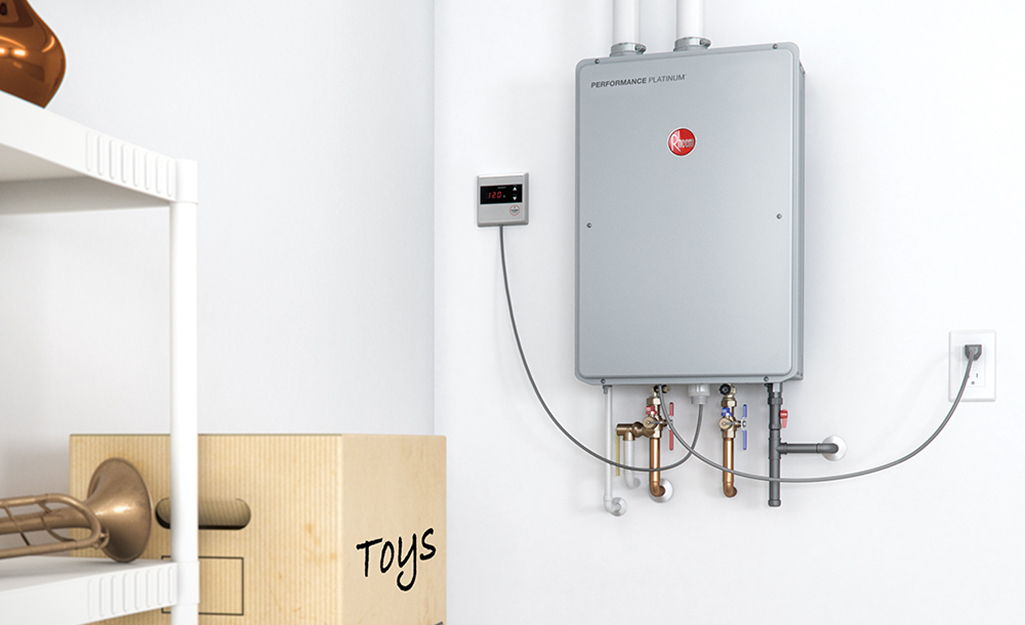
- Root intrusion, slab joint failure, and appliance leaks: Tree roots, expansion joint cracks, and small appliance leaks (like from water heaters or washing machines) all allow water to travel into areas it shouldn’t, especially around your foundation.
How to Detect Water Leaks at Home
Early detection is the best way to prevent foundation damage. Don’t wait until cracks or bowing walls show up. Here are the smartest ways to catch leaks early. Some you can do yourself, and others require a professional touch.
- Water meter “no-use” test: Turn off every fixture in your home. If the water meter keeps moving, you’ve got a leak. This test is one of the easiest ways to detect water leaks before they spread.
- Rising water bills: If your usage suddenly spikes and nothing has changed in your routine, you may be dealing with hidden leaks.
- Visual signs: Stains, damp walls, peeling paint, warped flooring, or efflorescence, mold, or a musty odor are all warning signs.
- Sound clues: Hearing dripping, running, or tapping from inside walls or ceilings when no water is running is often a red flag.
- Toilet dye tests and fixture checks: Dropping dye into the toilet tank can reveal silent leaks. You can also inspect under sinks and around appliances.
- Smart leak detectors: These water leak detector devices send alerts the moment moisture shows up, giving you a huge advantage in catching leaks early. Horizon Plumbing installs automatic systems that shut off water the moment a leak is detected.
How to Fix Water Leaks
The longer water sits unseen, the more damage it creates, not just to pipes, but to the soil and the structure holding up your home. What starts as a simple repair can turn into foundation restoration, mold remediation, or major plumbing replacement if left unresolved.
Small leaks often cost very little to fix. But if they spread into the surrounding soil and begin weakening your home’s foundation, repairs multiply fast. Fixing simple household leaks can reduce water bills by about 10%, according to the EPA.
Local factors matter too. In Texas, many homes sit on expansive clay soil. These clays swell dramatically when wet and shrink during dry periods, creating strong upward or downward forces on your foundation. That makes early water leak repair even more critical in our region.
Types of Water Leaks and Fixing Options
Here’s a breakdown of the most common leak types and how they’re usually fixed:
| Leak Type | Description / Detection Clues | Typical Repair Options |
| Slab leaks (under-slab piping) | Warm floors, running water sounds, and high water bills. | Pipe rerouting, epoxy lining, tunneling, spot repair, or trenchless pipe replacement. |
| Cracked foundation or wall leaks | Water seeping through foundation cracks. | Epoxy injections, sealants, carbon fiber straps, crack stitching or improved drainage. |
| Damaged drain tile / footing drains | Water is pooling around the perimeter. | Replace or add drainage tile, French drains, sump pumps, and proper backfill materials. |
| Fixture and appliance leaks | Leaks from toilets, sinks, washers, or water heaters. | Replace supply lines, gaskets, connectors, or valves. |
| Gutter/downspout or surface drainage leaks | Overflowing gutters or pooling near the foundation. | Extend downspouts, adjust slope, epair gutters and add splash blocks. |
| Joint / expansion joint leaks | Water seeping along concrete joints. | Seal or caulk with flexible materials. |
| Hidden piping leaks (walls or ceilings) | Damp drywall or musty smell. | Open affected walls, replace sections of pipe, and use clamp or push-fit connectors. |
Repair Decision Guide:
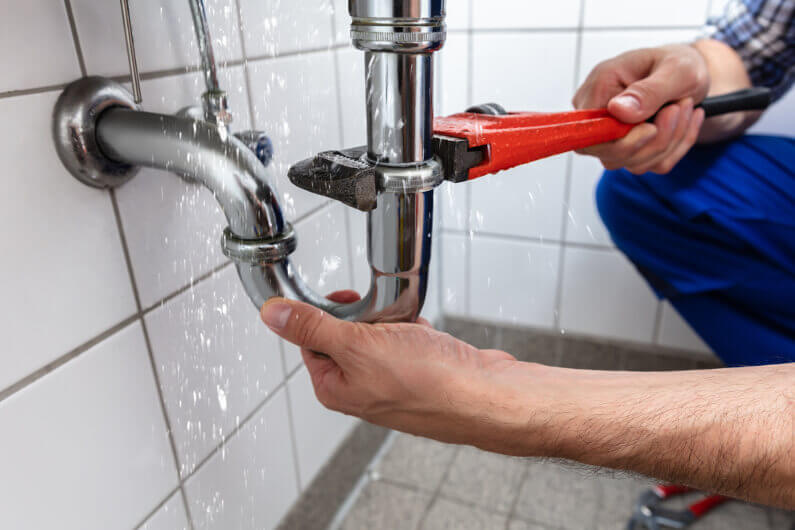
- Okay to DIY: Small fixture leaks, visible drips under sinks, or replacing simple connectors.
- Call a professional: Any slab leak, cracks in walls or foundation, water behind walls or ceilings, or recurring leaks that keep coming back.
From Drips to Disaster: Fast, Non-Invasive Leak Detection & Repair
When you’re dealing with a hidden leak, you need someone who can find the problem fast without tearing your home apart. At Horizon Plumbing, we use advanced diagnostics to locate leaks with precision, whether it’s a stubborn pinhole leak or a slab leak hiding under your flooring.
You can count on our certified, licensed, and insured Texas plumbers to provide accurate repairs, water line replacement, and ongoing maintenance that keeps your home protected. We also offer smart plumbing upgrades that help you cut water waste and avoid future surprises.
If you want reliable water leak detection and repair, check out our leak locating services. For serious under-slab issues, our slab leak repair and water line replacement options give you long-term stability and peace of mind. We keep the process simple with quick response times, friendly service, transparent pricing, and no upselling.If you’re ready to protect your home from hidden leaks, schedule your consultation today.


Share your plumbing experience with us.