
0% Financing Available
A water heater booster solves some of the most common homeowner frustrations: cold showers, slow recovery times, or spikes in energy bills. When installed and maintained correctly, it helps your system deliver reliable hot water without overworking the tank or tankless unit beneath it.
As top-rated plumbers serving Texas homes, Horizon Plumbing has helped thousands of homeowners keep their water heater booster running safely, efficiently, and for longer than expected. You can learn more about our licensing, training, and service history.
Maintaining Your Water Heater Booster: Why It’s Essential
A water heater booster is an add-on device or booster valve that increases available hot water by improving temperature stability, reducing recovery time, and supporting either a tank or tankless system. Whether you use a water heater booster, tank booster, or an electric water heater booster, proper maintenance is key.
Here’s why ongoing maintenance matters:
- Sediment, scale, and corrosion impact performance: Sediment buildup in tanks and mineral scale inside booster valves restricts water flow and force the system to run longer. Over time, this leads to overheating, internal stress, or early failure. Hard water, which is common across Texas, accelerates scaling, which is why annual flushing and descaling are industry best practices.
- Efficiency loss increases energy costs: When the heater’s burner or element is fighting through layers of sediment or scale, the system consumes more energy According to the U.S. Department of Energy, sediment buildup can significantly reduce heating efficiency.
- Lifespan is reduced without preventive maintenance: Routine flushing, valve inspections, and anode-rod replacements extend the life of both the heater and booster system. Manufacturers, including Rheem, Rinnai, and AO Smith, recommend annual maintenance to maintain warranty coverage.
- Health & safety considerations: Stagnant water, neglected valves, and overheating components can raise safety concerns, such as bacteria formation or excessive pressure. Maintenance ensures system stability and compliance with safety guidelines found in the ICC and state plumbing standards.
You can see how essential proper diagnostics and safety checks are through real customer experiences. When Mary Ballard posted her Google review, she described discovering a strong gas odor near her tankless heater. Our dispatcher sent a technician within minutes. The tech diagnosed the issue and replaced the gas supply line right away. Mary wrote she was “thankful and impressed,” and her review reflects how seriously we treat safety-related calls.
Tank Booster Water Heater Maintenance
Keeping a tank-based hot water heater booster in top shape requires a blend of routine inspections, periodic cleaning, and safety checks. These professional-level steps help ensure reliable performance throughout the year.
Routine Visual Inspections: what to check and how often
Inspect your tank and booster every two to three months for:
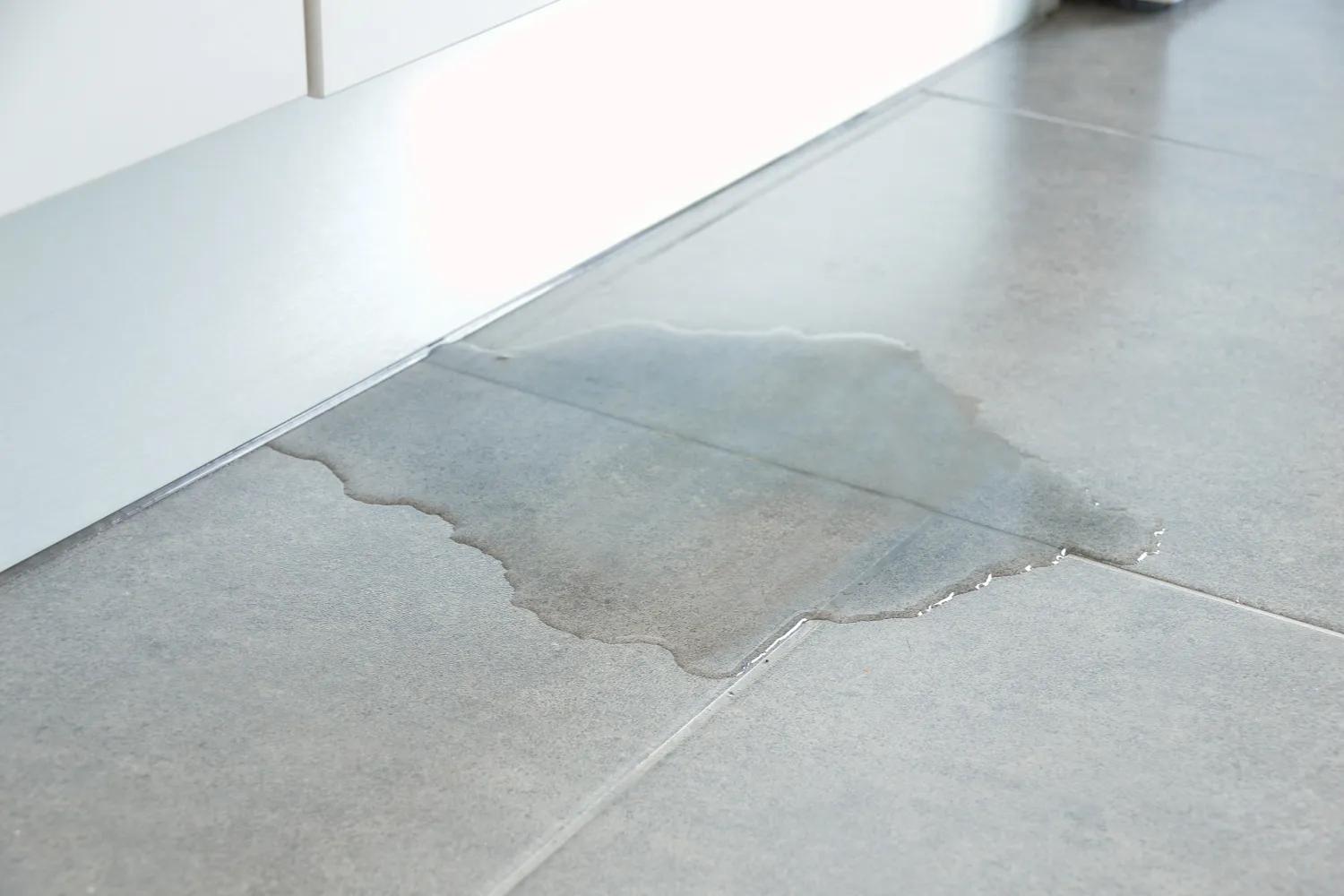
- Moisture at fittings or base.
- Rust or discoloration.
- Loose booster valves or failing gaskets.
- Corrosion on hot water outlets.
- T&P valve condition.
Catching early signs prevents leaks, structural flooring damage, or severe tank deterioration.
Annual (or Semi-Annual) Flushing and Sediment Removal
Follow this standard procedure:
- Turn off the gas or electric power.
- Allow the water inside the tank to cool.
- Attach a garden hose to the drain valve and direct it to a safe drain.
- Open the valve and flush until the water runs clear.
- Close the valve, refill the tank, and restore power.
Perform this at least once a year, or every 6–12 months in hard-water areas. Flushing helps the booster operate more efficiently by reducing thermal resistance created by sediment.
Inspecting and Replacing the Anode Rod and Internal Components
The anode rod attracts corrosive minerals before they reach the tank lining. Without it, the tank corrodes quickly.
- Inspect annually.
- Replace the rod if more than 50 percent is consumed.
- Also check internal gaskets, valve seals, and fittings.
Pressure and Water Heater Booster Valve Checks
A properly functioning temperature and pressure (T&P) valve is critical for safety. Test it annually:
- Lift the lever; water should discharge.
- Release it; the water should stop immediately.
- Replace the valve if it sticks or leaks.
You should also inspect and tighten the discharge piping and make sure it is installed correctly, especially on gas-powered systems in Texas. According to the Texas Department of Housing and Community Affairs, “water heater relief lines must meet specific requirements for material, routing, and termination so released water is safely controlled.”
(Source: Texas State Water Heater Installation & Safety Requirements)
Insulation and Efficiency Settings
- Use insulation blankets and foam sleeves on hot-water lines.
- Set the thermostat to 120°F to reduce overheating and cut unnecessary energy use.
- Insulate booster components when allowed by the manufacturer’s guidance.
Proper installation also plays a major role in long-term reliability. This is reflected in a Google review by Tory Smith, who replaced his 12-year-old heater and appreciated that our technicians “didn’t try to sell me anything I didn’t need.” His review underscores how correct installation and honest recommendations prevent future performance issues with booster systems.
Tankless Water Heater Booster Maintenance
Tankless systems with booster upgrades are highly efficient, but only when maintained properly. Once you understand how a water heater booster works alongside a tankless unit, especially how it relies on accurate flow and temperature readings, it becomes clear why routine descaling and sensor checks are so important.
Recommended Maintenance Schedule and Procedures
- Annually for standard households.
- Every 6–9 months in large households, high-use environments, or hard-water regions.
Key Maintenance Tasks:
- Descale the heat exchanger with approved descaling solutions to remove mineral buildup.
- Clean or replace the sediment filter (most tankless units have one).
- Inspect air intake filters and clean them as needed.
- Check and clear condensate drains or neutralizers in condensing units.
- Verify safe gas combustion, venting integrity, and stable flow/pressure sensors.
Many manufacturers require recorded proof of annual maintenance to maintain warranty coverage. Keep a log of dates, technician notes, and photographs.
Tankless boosters rely heavily on accurate flow rates and temperature sensors. Even slight scaling can cause inconsistent temperatures, short cycling, or error codes, which is why regular descaling and filter cleaning are essential.
Common Maintenance Mistakes to Avoid
- Neglecting regular flushing or descaling: Many homeowners install a booster and assume it requires no upkeep. Skipping annual flushing or descaling allows sediment and mineral buildup to accumulate, which restricts flow, reduces efficiency, and accelerates internal corrosion. Tank systems are especially vulnerable, as sediment buildup increases the risk of leaks, tank rupture, or overheating.
- Skipping safety valve (T&P valve) tests or ignoring small leaks: A failing or improperly installed temperature and pressure relief valve can lead to dangerous over-pressure conditions. Small leaks around valves or fittings are often dismissed, but they can cause subfloor damage, mold growth, and long-term structural issues.
- Blocking access around the water heater: Storing tools, boxes, paint, or flammable items around the heater restricts airflow, traps moisture, and creates a fire hazard. It also prevents safe access for routine inspections or emergency shut-offs.
- DIY installation or maintenance without proper safety knowledge: Incorrect venting, missing discharge pipes, improper electrical or gas connections, and using incompatible materials is a common error in non-professional installations. These mistakes can void warranties, create carbon monoxide or gas hazards, and result in code violations.
- Using incorrect or incompatible materials: Homeowners and untrained installers sometimes use the wrong pipe type, incorrect venting components, or skip required safety devices. These mistakes shorten equipment life and increase failure risk.
- Ignoring local water conditions: Hard water is common across Texas, and failing to account for it means the system scales faster. Without filtration, softening, or more frequent maintenance, the booster and heater lose efficiency and wear out early. High incoming water pressure above 60 psi also strains valves and fittings, raising the likelihood of leaks.
Partner with licensed, experienced plumbing professionals to ensure code-compliant installation, safe operation, and long-term reliability.
Maximize Your Comfort with Smart Hot Water Solutions
When you want dependable hot water without surprises, Horizon Plumbing is here to help. Our certified, licensed, and insured plumbers bring years of experience working in Texas homes, delivering safe and efficient water heater booster installations, repairs, and inspections.
We also offer comprehensive water heater protection plans to extend system life and improve efficiency. From smart plumbing upgrades that help reduce water waste to customized solutions built around your home’s needs, we put your comfort first. Our technicians help you get the most out of the water heater booster best suited for your setup by pairing quality equipment with code-compliant installation and ongoing care.
You can count on fast response times, friendly service, transparent pricing, and no upsells. For expert help or a consultation, call (817) 461-1117 or contact us.
FAQs
How often should I flush my water heater booster system?
Once a year is sufficient for most homes, but Texas hard-water areas may need flushing every six to twelve months.
Does a tankless water heater booster need descaling?
Yes, tankless boosters require yearly descaling to protect flow sensors, prevent error codes, and maintain steady temperature output.
How do I know if my anode rod needs replacement?
If more than half the rod has deteriorated during inspection, replacing it will help protect the tank from corrosion.
Is 120°F the right temperature setting for my system?
Yes, 120°F offers safe, comfortable hot water while reducing energy use and preventing scalding.
Will booster maintenance keep my warranty valid?
Most manufacturers require documented annual maintenance, so keeping records helps ensure your warranty stays active.


Share your plumbing experience with us.