
0% Financing Available
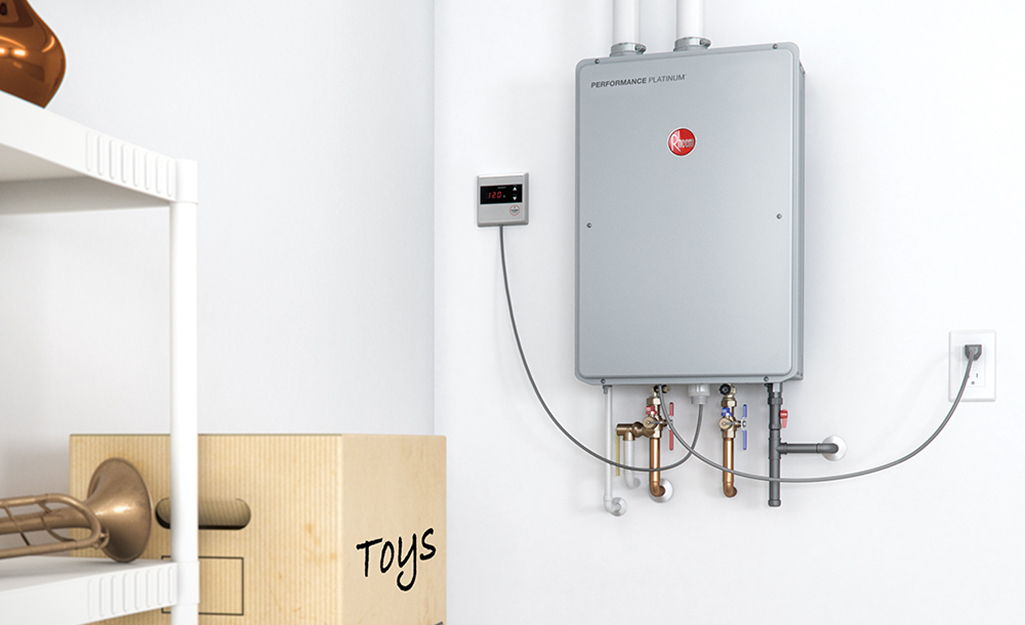
An electric tankless water heater delivers hot water only when it is needed, eliminating the waste and limits of traditional storage tanks. For homeowners, the right water heater choice directly affects monthly utility bills, daily comfort, and overall energy efficiency. On-demand systems support modern living by providing endless hot water, freeing up space with compact designs, and reducing energy use through highly efficient operation.
With lower water-heating costs and eco-friendly performance, electric tankless systems align well with today’s expectations, especially when compared side by side with conventional tank water heaters.
Electric Tankless Water Heater vs. Traditional Tank Heaters
Traditional tank water heaters store 40 to 80 gallons of hot water and continuously reheat it to maintain the temperature. This process causes standby heat loss, meaning energy is used even when no hot water is being drawn. Over time, that wasted energy adds up on your utility bill and shortens the system’s lifespan.
Electric tankless water heaters work differently. They heat water on demand as it flows through high-efficiency heating elements. Because there is no storage tank, there is no standby heat loss. According to the U.S. Department of Energy, “tankless systems can be 24–34% more energy-efficient than tank heaters in homes using less than 41 gallons of hot water per day, and 8–14% more efficient in higher-use households.” (Source: U.S. Department of Energy – Energy Saver, Tankless or Demand-Type Water Heaters)
Another major difference is lifespan. Traditional tanks typically last 10–15 years. Electric tankless units often exceed 20 years with proper maintenance. Space is also a factor. Tank heaters take up valuable floor space, while electric tankless systems are compact and wall-mounted. Energy Star states that “electric tankless water heaters convert nearly all of the electricity they use into heat, often achieving energy factor values between 0.98 and 0.99.” (Source: Energy Star – Electric Tankless Water Heater Competitive Assessment)
Electric Tankless Water Heater Pros and Cons
Pros: The Key Benefits Homeowners Care About
- Endless hot water supply: Because water is heated on demand, you never run out. Back-to-back showers, laundry, and dishwashing can happen without sudden temperature drops.
- Energy efficiency and lower utility bills: Water heating accounts for approximately 14% to 18% of household energy use. By eliminating standby heat loss, electric tankless systems can significantly reduce that portion of your bill.
- Space savings: Compact, wall-mounted designs free up valuable floor space in garages, closets, or utility rooms.
- Longer lifespan: Electric tankless units commonly last 20+ years, compared to 10–15 years for most tank heaters. Fewer replacements mean lower lifetime costs.
- Eco-friendly performance: Lower energy consumption, fewer parts, and longer service life reduce environmental impact over time.
Cons: Common Electric Tankless Water Heater Problems
Electric tankless systems do have considerations to plan for:
- Higher upfront cost compared to tank heaters.
- Flow-rate limits if multiple high-demand fixtures run at once.
- Dependence on electrical supply during outages.
- Electrical panel upgrades may be required.
- Routine maintenance is important, especially in hard-water areas.
Professional sizing, installation, and maintenance help avoid most of these issues and ensure consistent performance. Timely electric tankless water heater repair also prevents small faults from turning into no-hot-water emergencies.
Case Study: Real Tankless Repair Experience You Can Verify
When hot water fails unexpectedly, speed and expertise matter. Mike McKee, a homeowner with guests staying during January, shared his experience on Google after his tankless system stopped working.
Mike reported that his call was answered promptly, the dispatcher clearly explained the next steps, and the technician followed through exactly as promised. Jose, Horizon Plumbing’s technician, diagnosed the issue, explained the available solutions, and coordinated the correct parts immediately. Instead of the expected two to three-day delay, the repair was completed by the next day.
Mike noted he was “very pleased” with the clear communication, fast turnaround, and professionalism throughout the process. This kind of documented, real-world result shows how experienced technicians protect comfort when it matters most.
Costs Explained: Electric Tankless Water Heater Price and ROI
The cost of switching to the best electric tankless water heater depends on several factors, but it helps to break it into three clear components.
Unit Cost
Most high-quality electric tankless units fall within a mid-range price bracket compared to gas models. The exact price depends on flow capacity, efficiency rating, and brand.
Installation Costs
Installation may include electrical panel upgrades, dedicated circuits, and permits. Homes with older electrical systems may require additional work to meet code requirements. Professional installation ensures safety, compliance, and long-term reliability.
Operating Costs and Savings
Tankless systems reduce energy waste, which lowers monthly operating costs. Over time, these savings add up, especially when combined with the longer lifespan of the unit. Many homeowners see a reasonable payback period once energy savings and avoided replacement costs are factored in.
According to the Internal Revenue Service, “taxpayers can claim a credit of up to 30% of the cost, with a maximum annual credit of $2,000, for qualified energy-efficient home improvements,” which includes eligible electric tankless water heaters installed in primary residences. (Source: IRS – Energy Efficient Home Improvement Credit) Some Texas utilities offer rebates ranging from $300–$600, further improving return on investment.Pro Tip: Combining rebates with properly sized, high-efficiency models significantly reduces real out-of-pocket cost when installed by qualified professionals.
Never Get Cold-Sided Again: Reliable Tankless Solutions You Can Trust
When you choose Horizon Plumbing, you work with certified, licensed, and insured plumbers who understand Texas homes and real hot water demands. We handle everything from new installs to upgrades, keeping your system safe, efficient, and reliable. Our tankless water heater electric services cover expert care and ongoing maintenance, plus booster installations that improve performance and lifespan. Learn more about our company credentials and service history.
You get fast response times, clear pricing, no upsells, and solutions built around your needs. Call us at (817) 461-1117 or book a consultation.
FAQs
Are electric tankless water heaters worth it?
Yes, for many homes, they offer lower energy costs, longer lifespan, and unlimited hot water when properly sized and installed.
Do electric tankless systems work during power outages?
No, they require electricity, so hot water is unavailable during outages.
Can one electric tankless unit handle an entire home?
It depends on flow demand and unit capacity. Professional sizing ensures proper performance.
Do tankless water heaters need maintenance?
Yes, routine inspection and descaling help maintain efficiency and extend lifespan.
How long does installation take?
Most installations are completed within one day, depending on electrical upgrades.


Share your plumbing experience with us.